S13: One Party, One State, One Leader
History of China Since 1800
Reminders
- S14, Friday, Feb 6 to be held in the Hood Museum of Art
- Biography of Charles Tenney: Sunday, Feb 8
- Movie review of The Goddess: Sunday, Feb 8
- Mid-term available between Fri Feb 6 to Sun Feb 15
Music: National anthem of the Republic of China (1912)
Music: National anthem of the Republic of China (1937-present)
National anthems of the Republic of China
1912-1913
China, earliest civilization of East Asia / Admiring America and chasing Europe / The old nation is under new construction / The five colored flag flutters high / The glory of the republic / Shines over mountains and rivers / My compatriots / Let us sing for civilization / The universal peace shall forever be protected
1937-present
San Min Chu-i (Three people’s principles) / Our aim shall be: / To found a free land, / World peace, be our stand. / Lead on, comrades, / Vanguards ye are. / Hold fast your aim, / By sun and star. / Be earnest and brave, / Your country to save, / One heart, one soul, / One mind, one goal…
Key questions
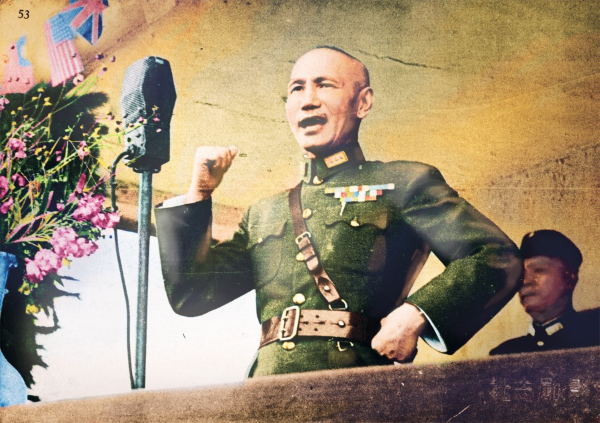
- State-building in Nationalist China: How to build a strong, centralized state?
- Political tutelage: One party, one state, one leader?
- Virtue and politics: Confucian fascism as ideology?
The CCP in metamorphosis
Key dates:
- 1921-07: Founding of the CCP
- 1923-1927: First United Front
- 1931-1934: Jiangxi Soviet
- 1934-1936: Long March
- 1937-1941: Second United Front
- 1945-1949: Chinese Civil War
- 1949-10: Founding of the People’s Republic of China
Key transitions:
- From study societies to political party
- From loose network to Leninist organization
- From urban proletariat to rural peasantry
- From mass mobilization to militarization
- From democratic centralism to charismatic rule
- From underground party to governing regime
Leninism as organizational form
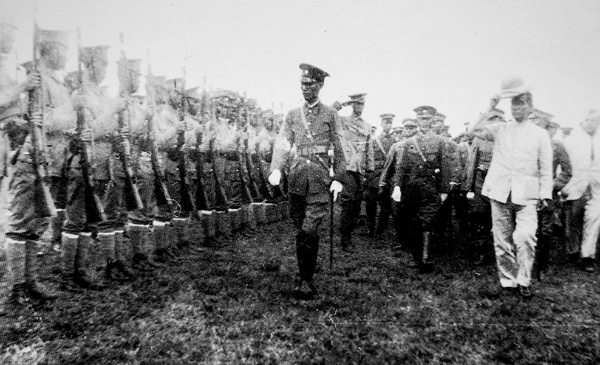
- The party as absolute power center: “the party-state”
- Vanguard party: most ideologically enlightened and practically devoted few of the society
- “Democratic centralism”: combining free discussion with central control; binding party line and discipline for all members
- Substitute for the class: loyalty to class become loyalty to the party
Sun Yat-sen and the Comintern
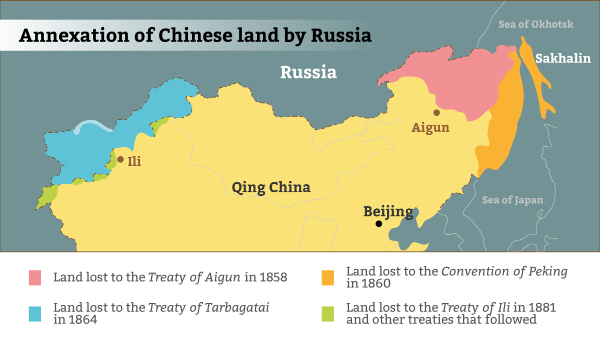
Joint manifesto between Sun Yat-sen and Adolph Joffe on January 26, 1923, for the cooperation of Republic of China’s Kuomintang and Soviet Union
The GMD and the Soviet Union would work together to reunify China, though Communism and the Soviet system were unsuitable for China at that time.
The Soviet Union willing to relinquish all unequal treaties acquired in China during the Tsarist era.
The two side would resolve the issue of the Chinese Eastern Railway’s management rights via negotiation.
The Soviet Union had no intention to detach Outer Mongolia from China.
First United Front
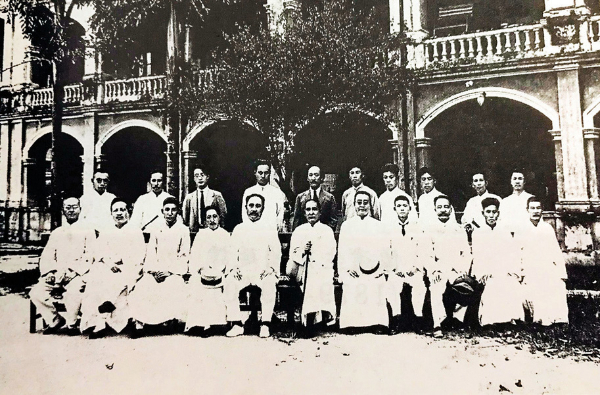
- Tactic approved by the CCP’s third party congress (1923)
- A bloc within the Nationalist Party
- CCP members joining the GMD while retaining CCP membership
Labor uprisings and their failures
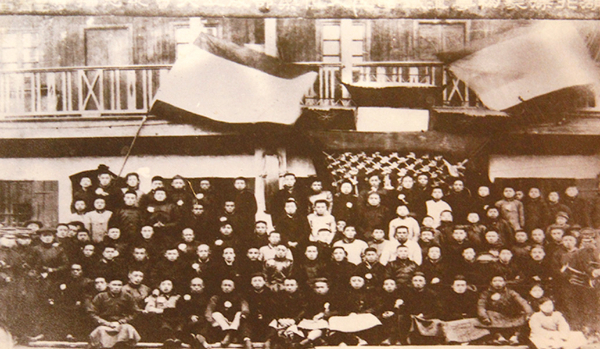
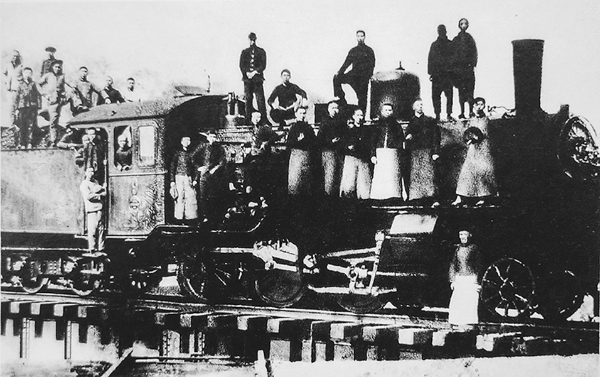
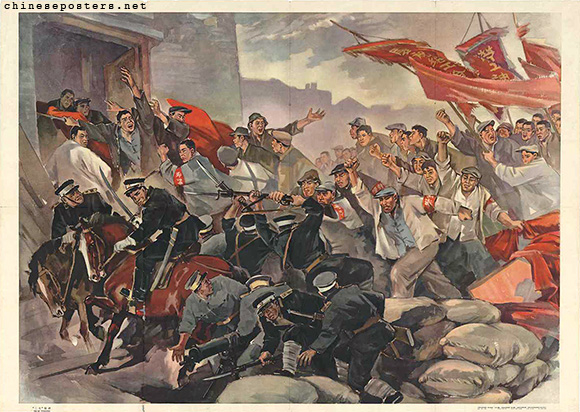
Continued struggle
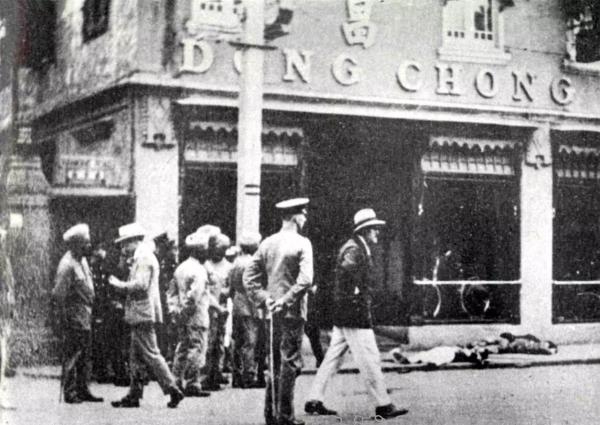
- Strike triggered by killing of Chinese worker by Japanese factory manager
- Protest suppressed by British police in Shanghai
- A new crossroad: conservative loyalism or revolutionary radicalism?
Discuss: Resolution on the Question of Organization (1925)
- What should be the future of the CCP?
- What are the current challenges facing the party? What would make it a “just and good” organization?
- How could the balance strike a balance between mass mobilization and secret work?
White Terror
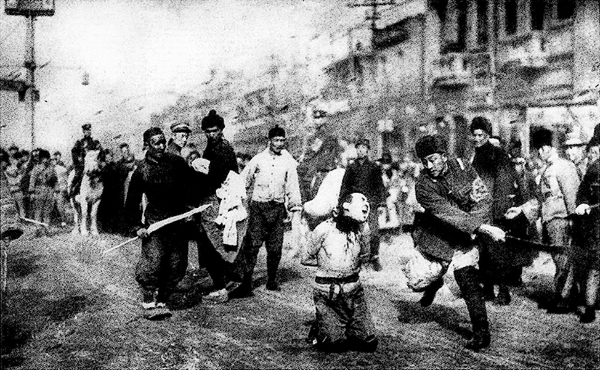
CCP membership change:
| Year | Membership |
|---|---|
| Apr 1927 | 58,000 |
| Nov 1928 | 10,000 |
- What did the CCP right/wrong?
- How can the party survive?
More mobilization or Moving Underground?
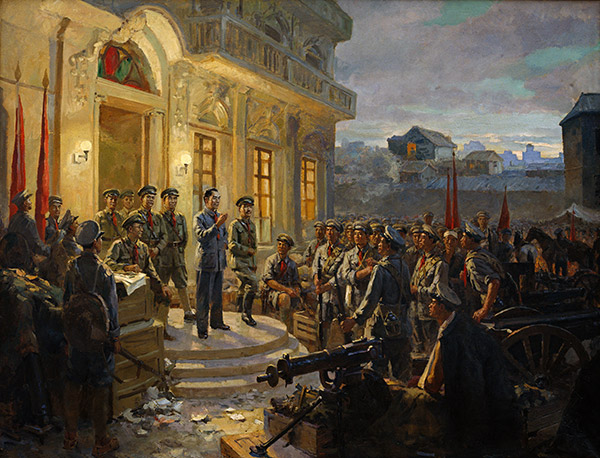
Chen Duxiu:
- Continued belief in revolutionary high tide
- Like the Soviet Union, China on the verge of success, not prolonged struggle
- Continued alignment with GMD and creation of a revolutionary democratic regime in the GMD-controlled areas
Becoming Leninist
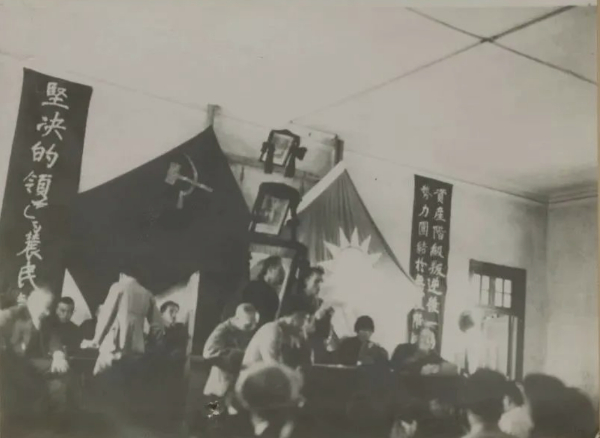
- From study society to Leninist organization: Politburo and new standing committee
- Use of line struggle to resolve ideological disputes: Chen Duxiu denounced as “right opportunist” and deposed at the 3rd party congress in July 1927
Agrarian revolutions
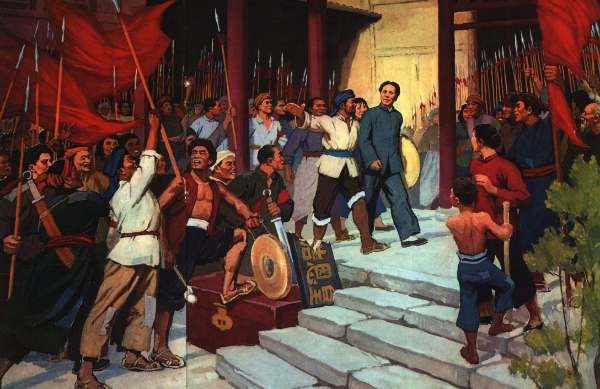
- New party branches in border regions and largely semi-autonomous from party center
- Beginning of land revolution: Shift from urban proletariat to rural peasantry
- Creation of Red Army: “Political power comes out of the barrel of a gun”
Mao: A Revolution is not a Dinner Party
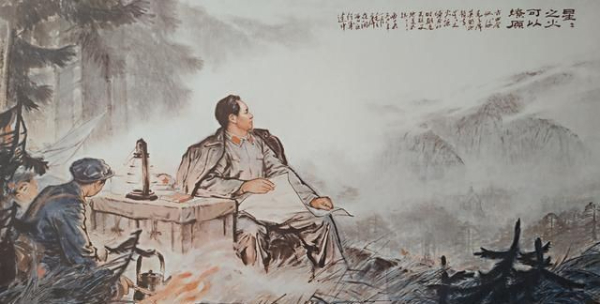
It was during my six months in the countryside in 1925, when I was already a Communist and had adopted the Marxist viewpoint, that I realized I was mistaken and that the peasants’ views were right. The teaching materials used in the real primary schools all dealt with city matters and were in no way adapted to the needs of the rural areas…
Mao: A Revolution is not a Dinner Party
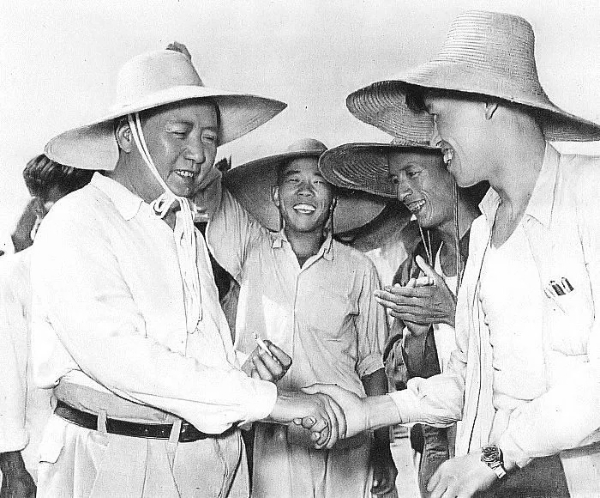
A revolution is not the same as inviting people to dinner, or writing an essay, or painting a picture, or doing fancy needlework; it cannot be anything so refined, so calm and gentle, or so mild, kind, courteous, restrained, and magnanimous. A revolution is an uprising, an act of violence whereby one class overthrows another. A rural revolution is a revolution by which the peasantry overthrows the authority of the feudal landlord class. If the peasants do not use the maximum of their strength, they can never overthrow the authority of the landlords, which has been deeply rooted for thousands of years.
Sunism
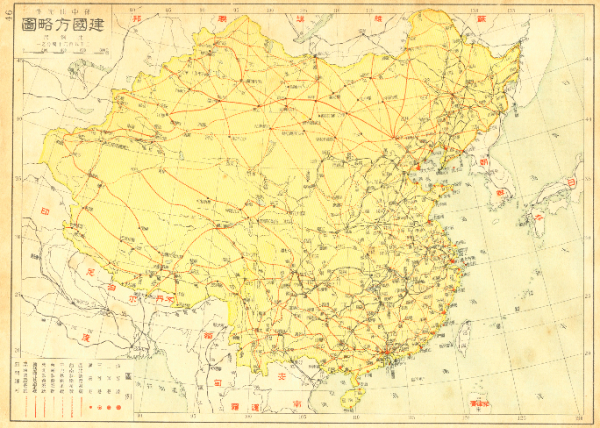
- Nationalism: “Pile of loose sands”
- “Three Principles of the People”
- Developmental state
- Northern expedition against warlords and unification of China
- Political tutelage
Sun on Chinese nationalism
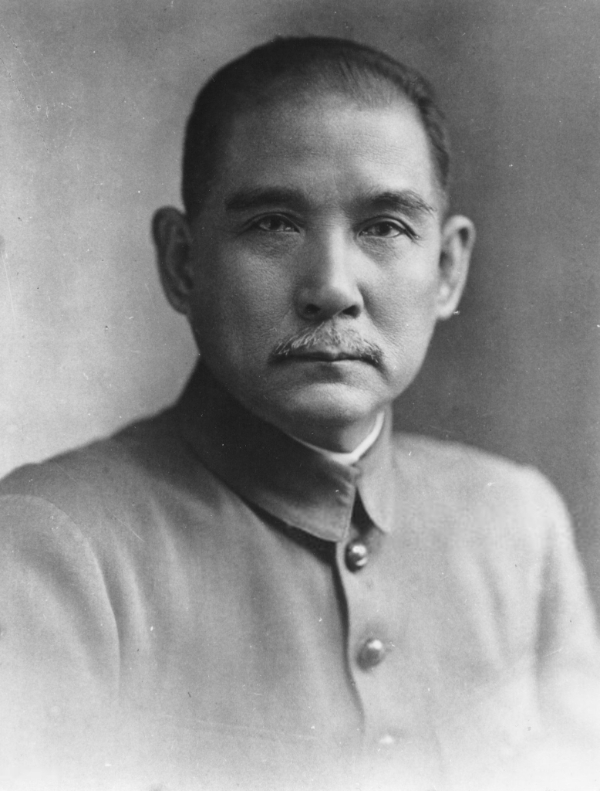
The Chinese people have only family and clan groups; there is no national spirit. Consequently, in spite of four hundred million people gathered together in one China, we are, in fact, but a sheet of loose sand.
Sun on China’s development
In a nutshell, it is my idea to make capitalism create socialism in China so that these two economic forces of human evolution will work side by side in future civilization.
Sun on party tutelage
“At this point the state is in great disarray and society has regressed, so the responsibility of the revolutionary party at present must be first to establish the state. We have still not reached the point of governing the state…. At this moment the state foundations of the republic have yet to be consolidated. We must carry out more work and build the country once again before the state foundations of a republic can be consolidated.
Succeeding Sun
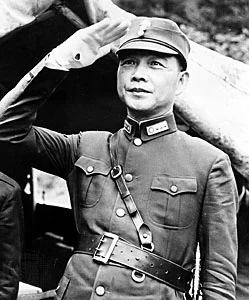
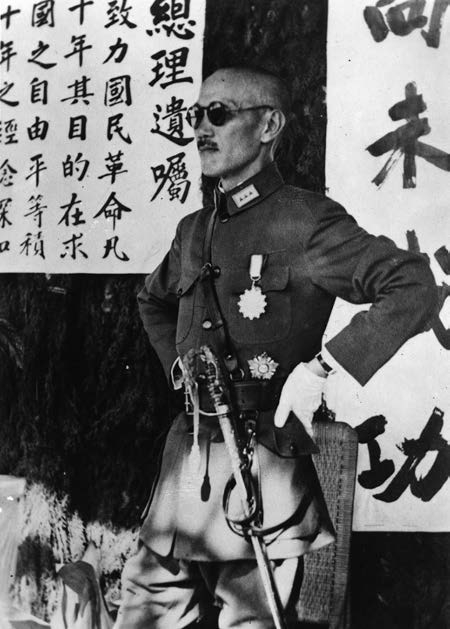
Death of Sun
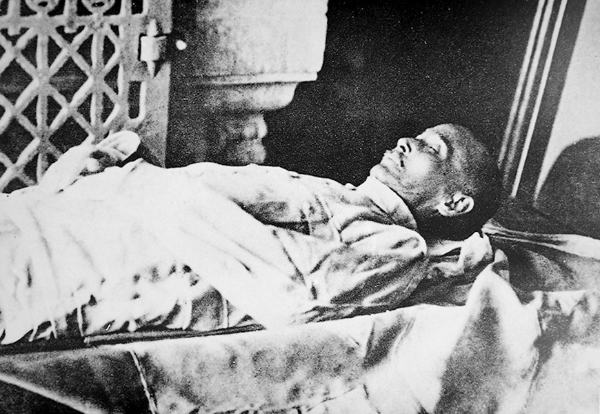
- Sun’s death on March 12, 1925
- Last wish of unifying China remained unfilfilled
- Set off power struggle between the left wing (Wang Jingwei) and right wing (Chiang Kai-shek) of the KMT
Northern expedition (1926-1928)
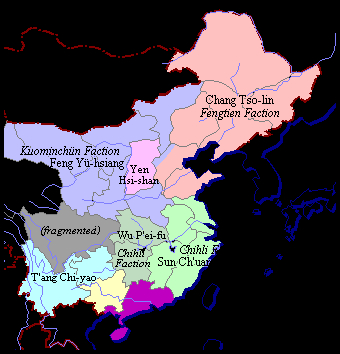
- Fengtian clique (奉系)
- Zhang Zuolin (張作霖)
- Occupied Northeast China and parts of north China
- Zhili clique (直系)
- Warlords Wu Peifu (吳佩孚) and Sun Chuanfang (孫傳芳)
- Occupied central and southeast China respectively.
War against warlords
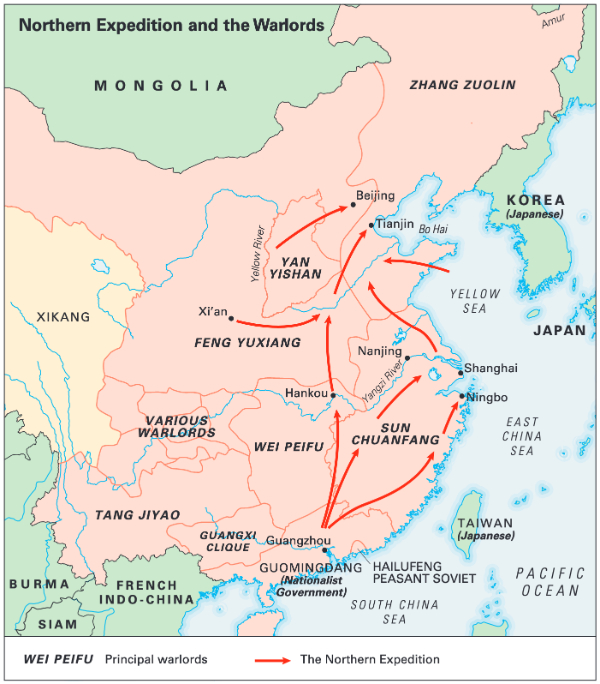
- Start of 1926: Main force of Wu Peifu hit in Hunan and Hubei provinces; Changsha and Wuhan successfully captured
- Sun Chuanfang’s force defeated in Jiangxi and Fujian provinces
- End of 1926: NRA marches from Zhejiang province to Nanjing and Shanghai
War against warlords
- 1927-01: Nationalist Government moves from Guangzhou to Wuhan; Takes over British concession in Hankou
- 1927-03-23: Nanjing captured; Wu Peifu’s and Sun Chuanfang’s forces eliminated
Northern expedition in perspective
- Continuation – and culmination – of warfare since the end of Qing
- Instrument for securing Chiang’s leadership
- Reliance on Soviet advisor and military support
Nation building during Nanjing decade (1928-1937)
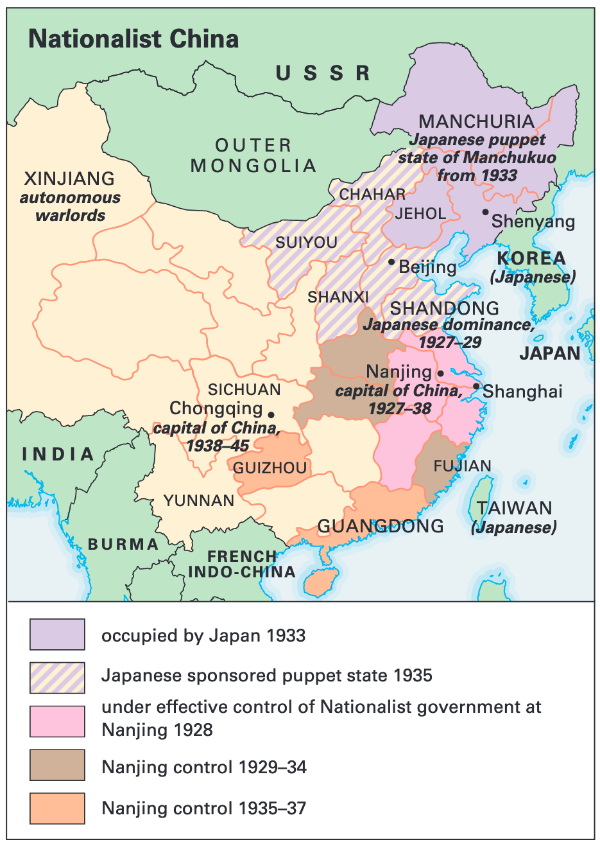
- Under single power center for the first time since 1911
- Single-party government under the leadership of one man: Chiang Kai-shek
- Incomplete unification: Regional powers co-opted, but not removed
- Widening rift between CCP, Soviet advisors, and GMD left
Modernizing the state
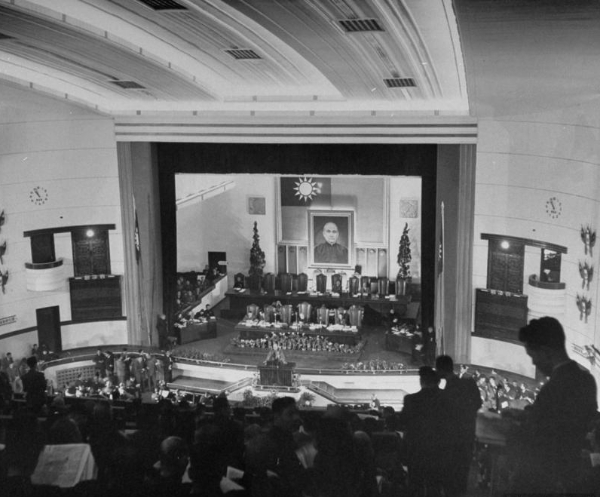
- Implementation of “political tutelage”: China as a “Three People’s Principles Republic”
- Five chambers of gov: administration, legislation, supervision, examination, and justice
- Codification of constitution, civil, criminal, commercial laws
Diplomacy
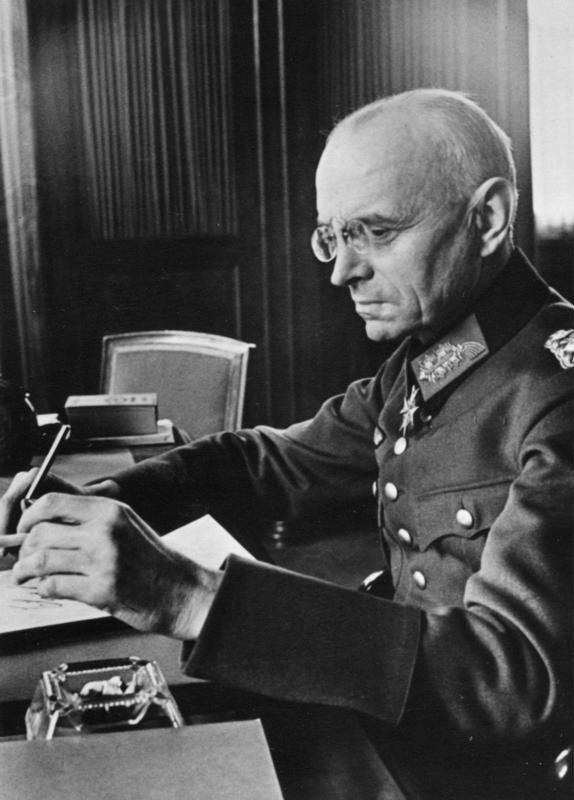
- Recognition from foreign powers
- Recovery of foreign concessions (tariff autonomy, leased territory, etc.)
- Military cooperation, especially with Germany
- Joining the League of Nations
Education
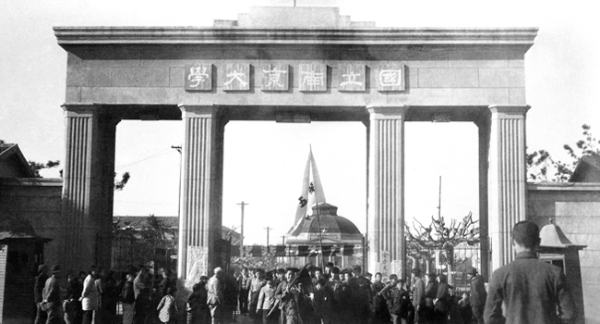
- Etablishing standards for school facilities and curriculum
- Promotion of Mandarin as a standard language
- Literacy campaigns and school expansion
- Creation of national research bodies: Academia Sinica
Building on developmental state
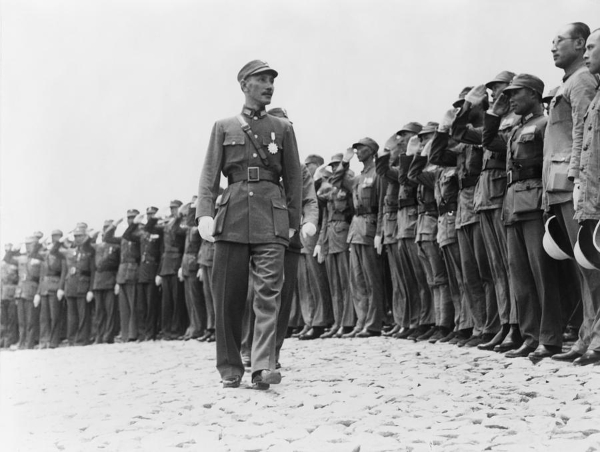
- Development of national economy (domestic market for industrial goods)
- Development of military-oriented heavy industry
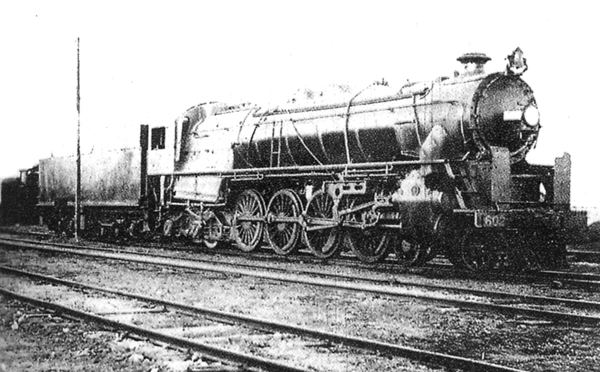
- Construction of national infrastructure: ports, waterways, highways, railroads
- Unsystematic and limited to Manchuria, east coast, and lower Yangtze
Building on developmental state
National planned economy:
- National Economic Council (1931)
- National Defense Planning Council (1932)
- Three-Year Plan for Industrial Development (1936)
- Work units (1940s)
Insecure dictatorship
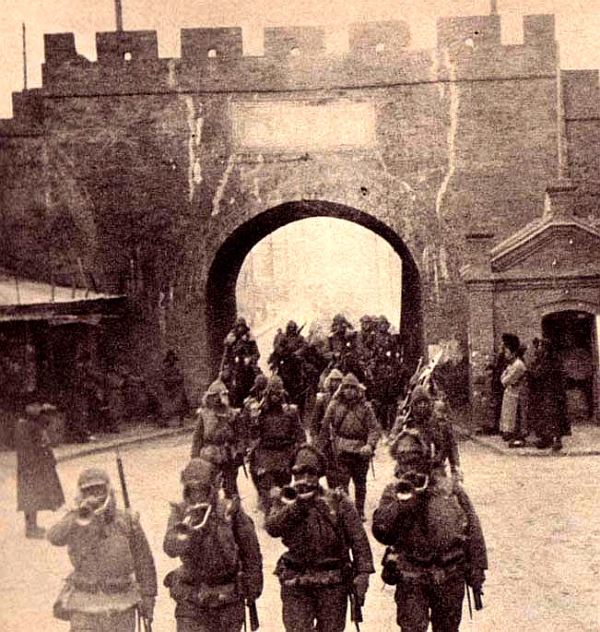
- Communist uprisings
- Unyielding warlords
- Japanese invasion in 1931
Uneasy coalition
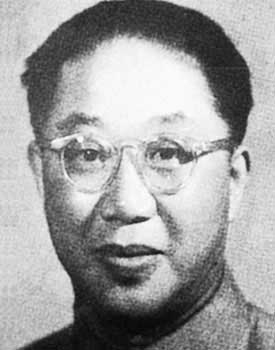
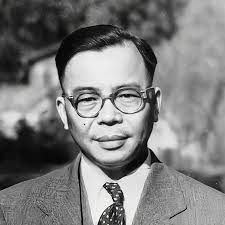
Political study group
- Kong Xiangxi, aka H. H. Kung (1880-1967)
- Song Ziwen, aka Soong Tse-ven (1894-1971)
Central Club Clique (CC-Clique)
- Chen Guofu (1892-1951) and Chen Lifu (1900-2001): Investigation Section of the Organization Department; Minister of Education
- Dai Li (1897-1946): Central Bureau of Investigation and Statistics
Whampoa group
- Military affairs commission
- Blue Shirts Society
- Lixingshe (Act Vigorously Society)
Discuss: The tutelage state
Is authoritarianism as a necessary prelude to democracy?
Discuss: New Life Movement
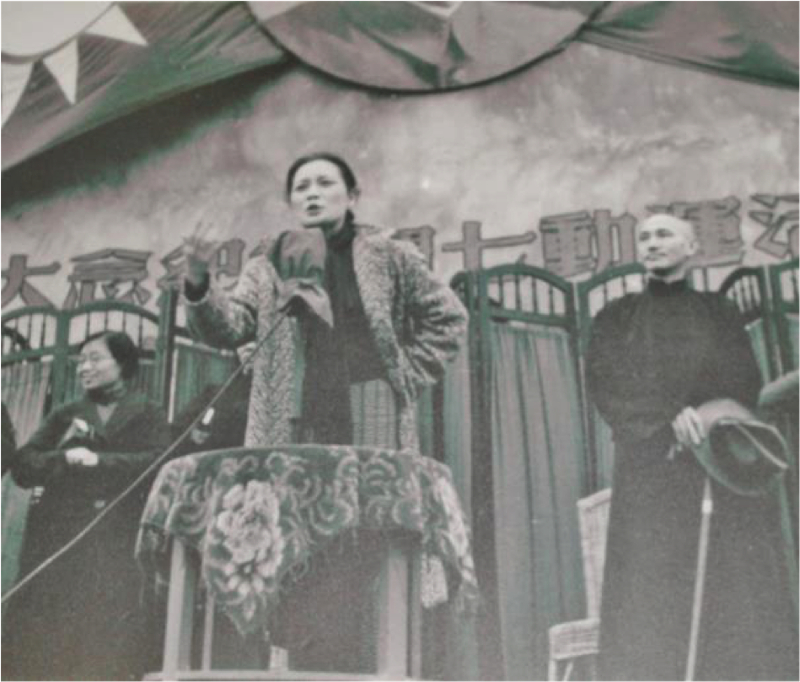
Chiang Kai-shek: “Essentials of the New Life Movement”
Chiang on tradition and revolution
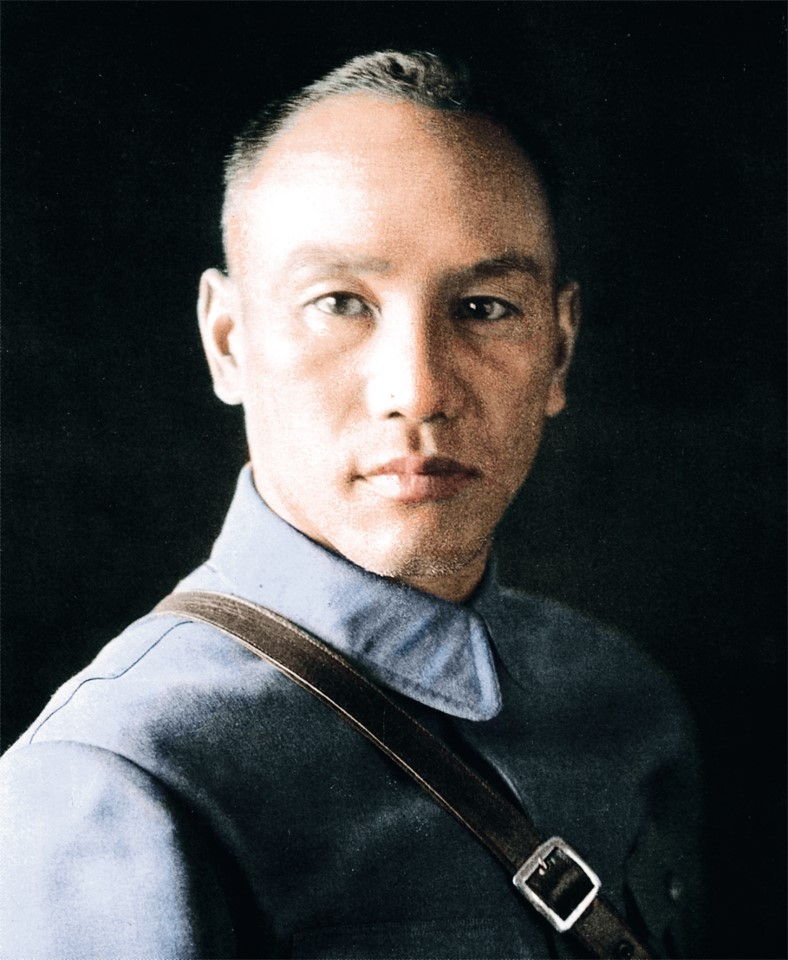
Loyalty, filial piety, humaneness, charity, righteousness, peace and harmony are one and the same as our nation’s traditional virtues of propriety, righteousness, integrity, and frugality. Our traditional national essence (jingshen) is the spirit of wisdom, benevolence, and courage. Our nation’s one and only revolutionary principle is the Three People’s Principles. And all of these spirits and principles come back to the single principle of sincerity (cheng).
Chiang on tradition and revolution, continued
Therefore, as members of the revolutionary party we must dedicate ourselves sincerely to the preservation of the traditional virtues and the traditional spirits. Only by doing so will we be able to revive the highest culture of our nation, to restore our nation’s very special standing in this world, to create a glorious and radiant world order for mankind, and in achieving this noble and great enterprise thereby save mankind and save the world.
Confucian Fascism?
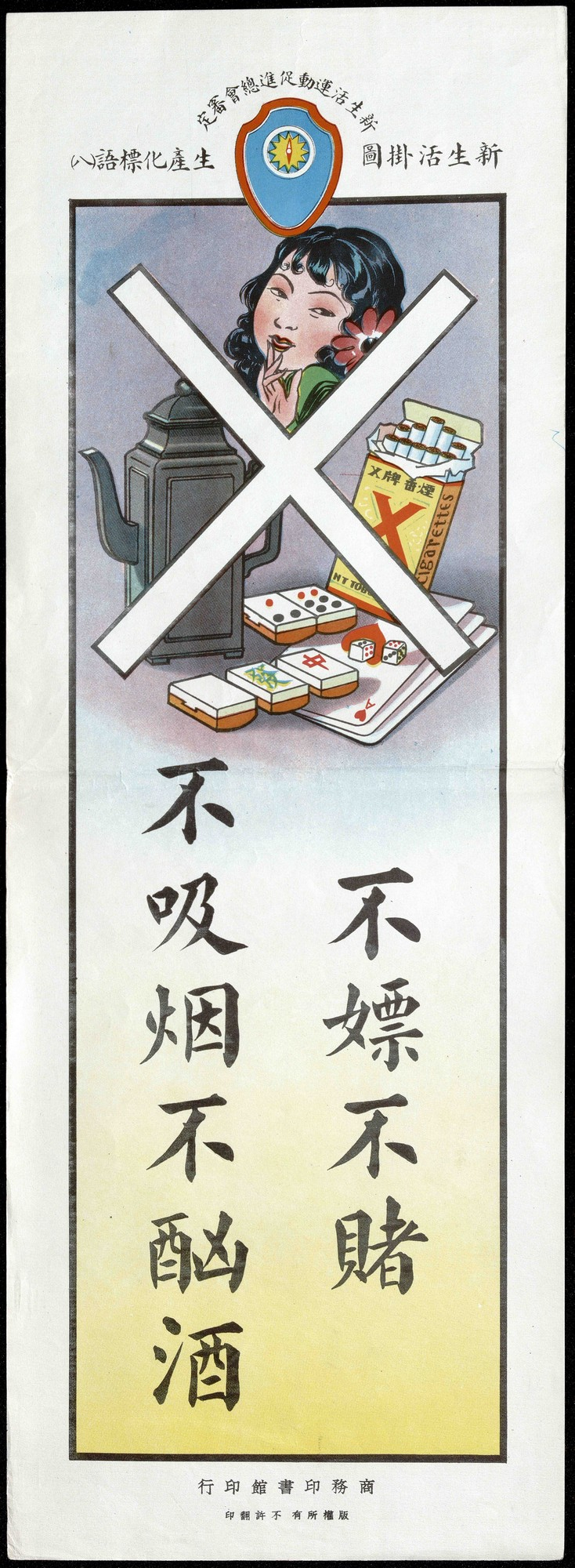
- National self-confidence as essence of fascism
- Combining military discipline with classic Neo-COnfucian view of community hierarchy and lineage solidarity
- Fascist militarization as a way of teaching Confucian citizenship to the people
- Unlike European fascism, inability and/or unwillingness to create a mass movement
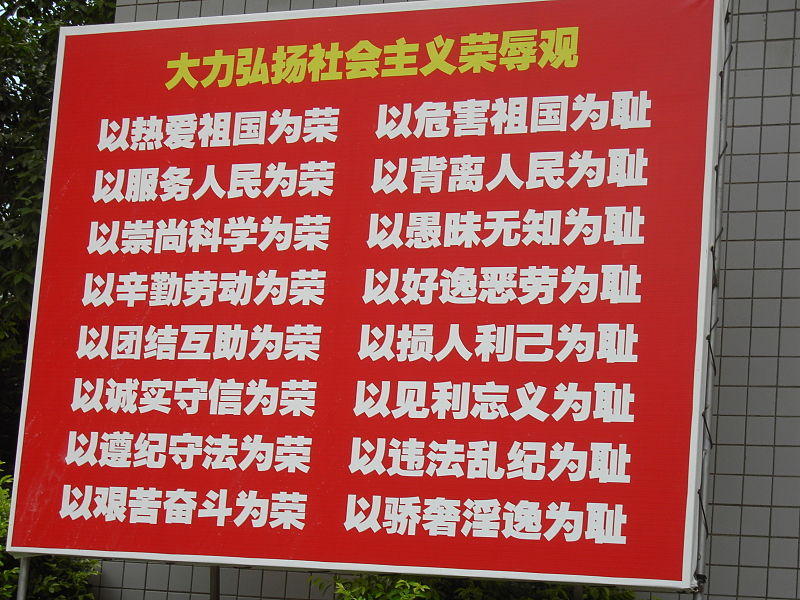
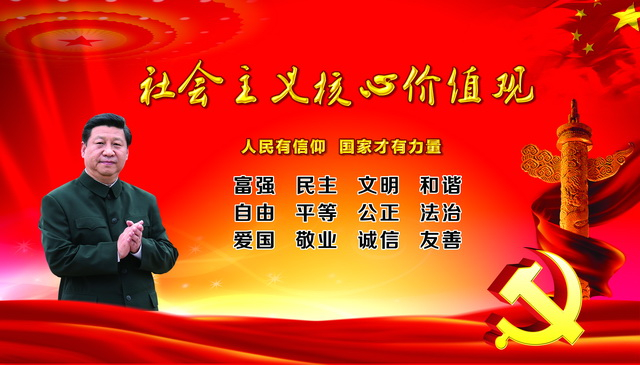
Morality campaigns in contemporary China
Reflecting on the Nanjing Decade
- Relative degree of consolidation, but fiscally weak & politically vulnerable
- Not a monolithic state under Chiang Kai-shek leadership, but divided and contested
- Uneven development: growth limited to urban China, little rural reform
Reflecting on the Nanjing Decade, continued
Templates for Chinese state building:
- Propaganda state: mass campaigns, patriotic education
- Developmental state: creation of national planned economy, work unit system, military-oriented heavy industry, building of national infrastructure
- Campaign state: New Life Movement